

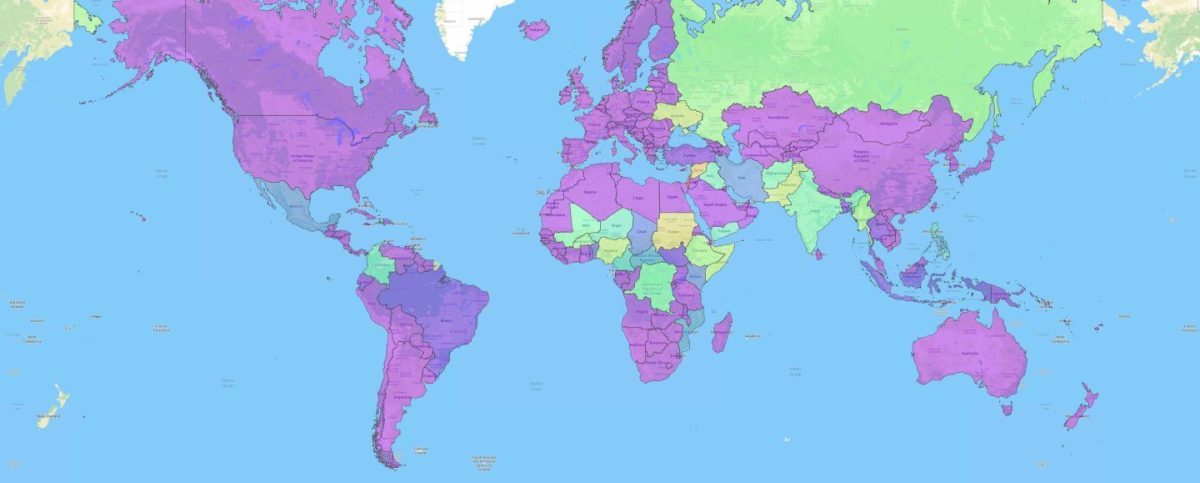
The Violence & Impacts
Early-Warning System
We deliver scalable, data-driven tools to empower decision-makers and humanitarian actors in early and anticipatory action.
Latest Updates
-
Posted on 31 Jan 2025
From Newswire to Nexus: Using Text-Based Actor Embeddings and Transformer Networks to Forecast Conflict Dynamics
Abstract This study advances the field of conflict forecasting by using text-based actor embeddings with transformer models to predict dynamic changes in violent conflict patterns at the actor level. More specifically, we combine newswire texts with structured conflict event data and leverage recent advances in Natural Language Processing (NLP) techniques to forecast escalations and de-escalations…
-
Posted on 31 Jan 2025
Forecasting battles: New machine learning methods for predicting armed conflict
Abstract Over the past decade, the field of conflict forecasting has undergone a remarkable metamorphosis, transforming from a series of isolated efforts with low predictive power into large, globe-spanning projects with impressive performance. However, despite this evolution, many challenges still remain. First, while we are good at predicting absolute risks, we are poor at predicting…
-
Posted on 31 Jan 2025
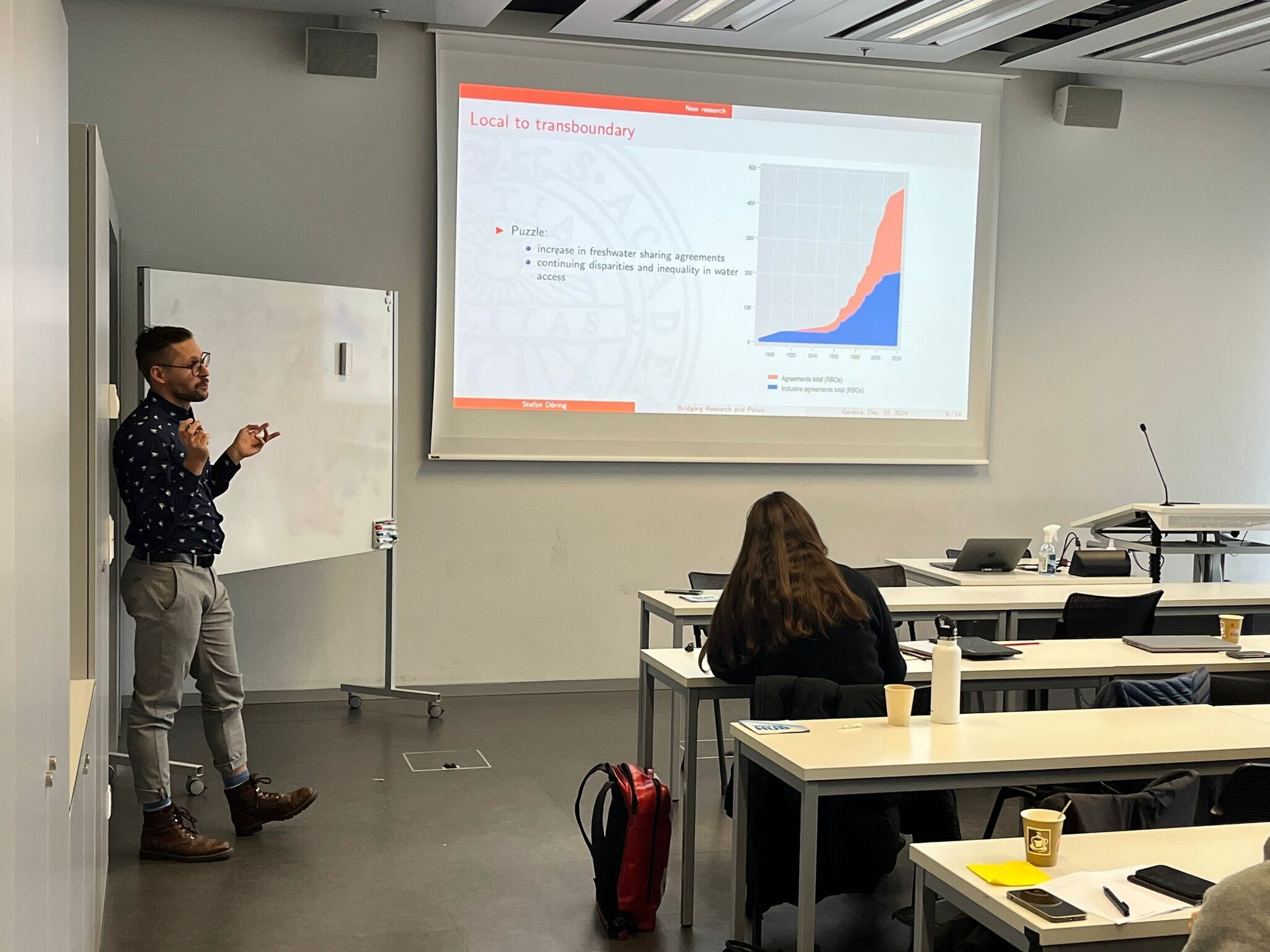
VIEWS Researcher Stefan Döring Speaks on War’s Impact on Water Access at Geneva Water Hub Seminar
On December 10th, VIEWS researcher Stefan Döring presented insights on the impact of war on water access and society during a seminar organized by the Geneva Water Hub at the University of Geneva. The seminar, focused on turning water diplomacy research into action, brought together experts to discuss the challenges of bridging science and policy…
-
Posted on 31 Jan 2025
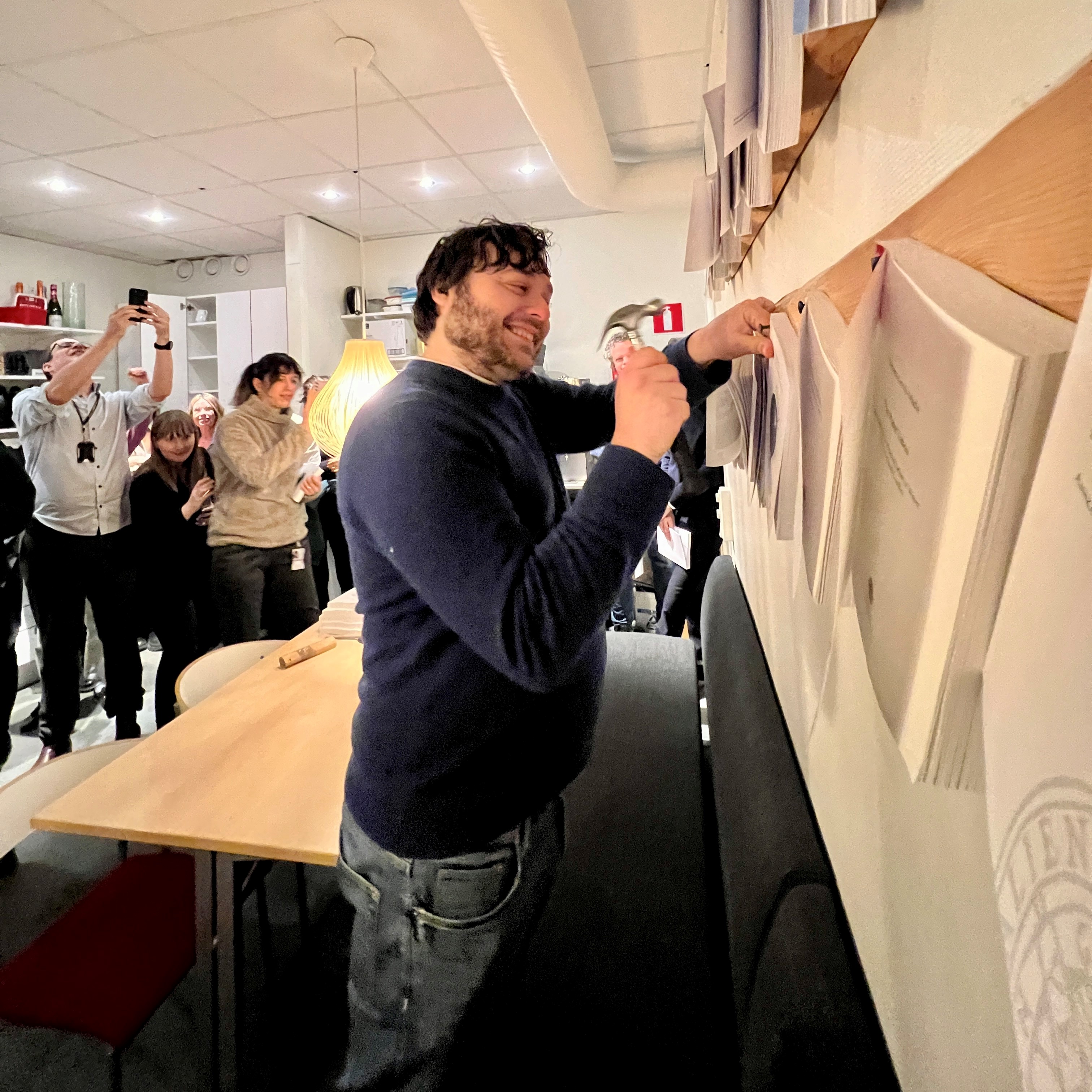
“Spikning”: Mihai Croicu nails his dissertation to the department wall in anticipation of PhD defence
Huge congratulations to our very own Mihai Croicu, who nailed his dissertation to the kitchen wall at the Department of Peace and Conflict Research, Uppsala University, yesterday! Mihai has been an integral part of VIEWS since its very inception in 2017, and can in less than 2 months’ time prefix his name with the prestigious…
-
Posted on 31 Jan 2025
Harnessing AI: How to develop and integrate automated prediction systems for humanitarian anticipatory action
Abstract: Despite unprecedented access to data, resources, and wealth, the world faces an escalating wave of humanitarian crises. Armed conflict, climate-induced disasters, and political instability are displacing millions and devastating communities. Nearly one in every five children are living in or fleeing conflict zones (OCHA, 2024). Often the impacts of conflict and climatic hazards –…
-
Posted on 31 Jan 2025
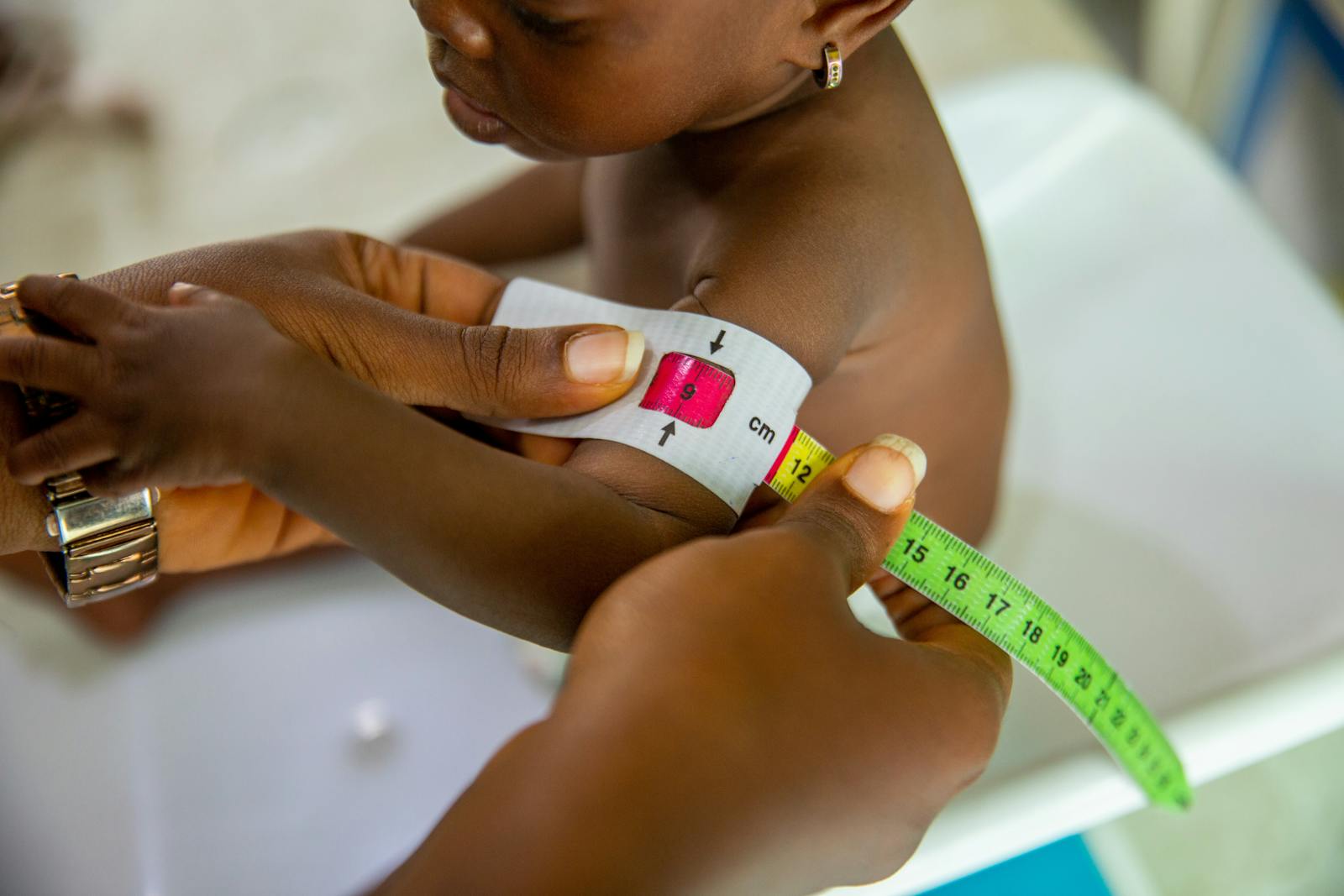
VIEWS Hosts Brownbag on Conflict and Child Malnutrition in Africa
On January 28, VIEWS hosted a virtual Brownbag seminar featuring a presentation on the working paper “Civilian Conflict and the Nutritional Status of Children: A Bayesian Analysis of Survey Data from Affected Populations in Africa.” The paper, authored by Thomas Jideofor Ogbu, Rebecca Louise Jones, and Debarati Guha-Sapir, examines the complex relationship between armed conflict…
-
Posted on 31 Jan 2025
VIEWS Researcher Paola Vesco Presents on Conflict, Flooding, and Food Insecurity at PRIO Brownbag Series
On January 22, VIEWS researcher Paola Vesco and PRIO researcher Ida Rudolfsen presented their co-authored paper, “Conflict Worsens the Impact of Flood on Food Insecurity: Evidence from the Nargis Cyclone in Myanmar,” as part of PRIO’s Conflict Patterns Brownbag series. The paper, co-written with VIEWS researcher Thorsten Rogall, explores the compounding effects of conflict and…



Get Updates delivered directly to your inbox
Sign up for our monthly newsletter
What we Offer
Conflict forecasts
We provide open-access, monthly forecasts of armed conflicts worldwide at both country and sub-national levels, capturing the likelihood, extent and severity of future violence over the next 1-36 months.
impact assessments
We estimate the impact of future conflict events on affected populations, allowing decision-makers and humanitarian actors to stay ahead of emerging crises.
Research infrastructure
We provide an open-access, cutting-edge MLOps pipeline for near real-time forecasting, ensuring robust and reliant service for use across the humanitarian, development, and peace nexus.
Interesting in powering your models on our platform, or incorporating them into the VIEWS EWS? Let’s talk!
global partnerships
We collaborate with leading research institutes, IGOs, INGOs and governments, to develop innovative forecasting solutions that enhance decision-making and empower humanitarian actors to stay ahead of emerging crises.
Schedule a call to learn more on how we assist you and your organization.
Acknowledgements
Host institutions, funding agencies, and partners
VIEWS is co-hosted by the Department of Peace and Conflict Research at Uppsala University and Peace Research Institute Oslo. The research presented on this website is the outcome of projects that has received funding from the European Research Council (ERC) under the European Union’s Horizon 2020 research and innovation programme (Grant agreement No. 694640, ViEWS) and Horizon Europe (Grant agreement No. 101055176, ANTICIPATE; and 101069312, ViEWS (ERC-2022-POC1)), Riksbankens Jubileumsfond (Grant agreement No. M21-0002, Societies at Risk), the United Nations Economic and Social Commission for Western Asia (ViEWS-ESCWA), the United Kingdom Foreign, Commonwealth & Development Office (GSRA – Forecasting Fatalities in Armed Conflict), the Swedish Research Council (DEMSCORE), the Swedish Foundation for Strategic Environmental Research (MISTRA Geopolitics), the Norwegian MFA (Conflict Trends QZA-18/0227), the United Nations High Commissioner for Refugees (the Sahel Predictive Analytics project and Global Mapping of Forecasting Systems), the Norwegian Research Council (UFFAC), and the Complex Risk Analytics Fund (CRAF’d, VIEWS-PIN).