


The VIEWS team recently concluded a three-day meeting in Uppsala to finalize a next-generation conflict forecasting platform, launching this winter. This tool incorporates advanced machine learning, enhances transparency, and provides real-time evaluation mechanisms for informed decision-making in conflict mitigation. It aims to redefine conflict forecasting through robust predictions and operational stability.
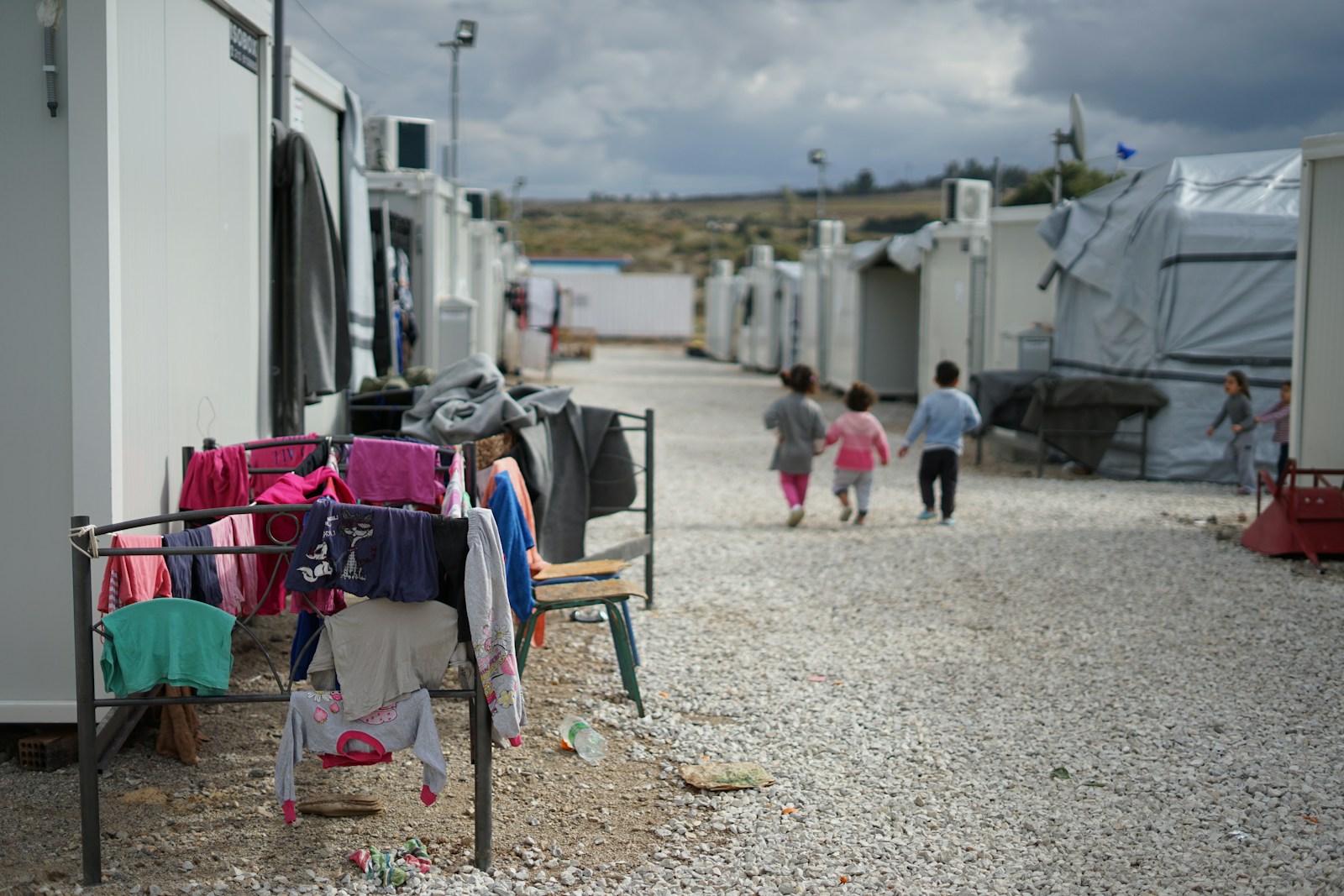
The article reviews the literature on how armed conflicts adversely affect human development across nine dimensions, emphasizing the need for a multidisciplinary approach. It highlights gaps in research and calls for systematic empirical testing to better understand the interconnections between conflict impacts, ultimately aiming to inform policies that mitigate war's adverse effects.

On 22 November, Gudlaug Olafsdottir defended her dissertation titled Precarious Paths to Democracy: Electoral Violence and the Struggle for Democratization at Uppsala University, exploring the link between electoral violence and democratization. Previously, she worked as a Research Assistant with the VIEWS team, continuing collaboration during her doctoral studies. Congratulations, Gulla!

Elections globally remain prone to violence, prompting Dr. David Randahl's research team at Uppsala University to develop a forecasting model to predict electoral violence. This model, discussed in the podcast Researching Peace, aids in protecting democracy and informs the new Electoral Vulnerability Index, forecasting threats for 2024-2025.
A literature review by VIEWS' Societies at Risk project emphasizes that armed conflict severely impacts human development beyond immediate violence, affecting health, education, and economic stability. It identifies nine interrelated dimensions of society harmed by war and calls for comprehensive research to understand these cascading effects better. Effective recovery strategies are essential for long-term recovery.

From November 6-8, 2024, VIEWS co-organized a conference in Geneva focused on enhancing the use of arms flow data for conflict early warning. Attended by over 50 experts, discussions highlighted the need for optimizing existing data for use in quantitative models, and emphasized the value of cooperation among academics, policymakers, and practitioners to jointly improve capabilities for conflict early warning and early action.

The study by Randahl et al. develops machine-learning models to forecast electoral violence globally, addressing its threat to the legitimacy and fairness of electoral outcomes. By analyzing economic indicators, historical violence, and political instability, the models predict violence risk for 2024-2025 with high accuracy, aiding in effective prevention strategies for at-risk elections.